 (Image source: Gemini)
 It's easy to ignore the small stuff because the consequences aren't immediate. Your heart is incredibly resilient, which is both a blessing and a curse. It works overtime to compensate for poor sleep or a high-sodium diet, often for years without a single symptom. By the time someone experiences chest pain or a "scare," the physiological groundwork has been laid for a long time. So what does this actually mean for you right now in 2026? It means that heart health isn't a destination you reach when you turn sixty. It's the sum of your daily rhythm. The good news is that because this risk accumulates gradually, you have a massive amount of power to slow it down or even reverse some of the damage.
Small shifts in your routine can yield incredible long-term benefits. You don't need a total life overhaul by Monday morning. You just need to recognize the subtle factors that are quietly tugging at your cardiovascular health.
The Sedentary Trap
We've all heard that "sitting is the new smoking," but that's a bit of an oversimplification. Recent research from the 2024 AHA Scientific Sessions has given us a much clearer, and frankly more startling, picture of the danger. Experts have identified an important sedentary threshold: 10.6 hours per day. If you spend more than 10.6 hours sitting, your risk of heart failure and cardiovascular death jumps by 40 to 60%.
Here's the kicker that might frustrate you. Even if you're a "weekend warrior" who hits the gym hard on Saturdays, or you spend 30 minutes on the treadmill every morning, it might not be enough to undo the damage of sitting for the rest of the day. The physiological impact of prolonged inactivity goes beyond just burning fewer calories. It actually contributes to arterial stiffness and causes spikes in blood pressure that your body struggles to regulate.
Think of it like a car engine. If you let it idle for ten hours every day, it's going to develop gunk and carbon buildup, even if you redline it for twenty minutes once a week. To keep the "engine" clean, you need frequent, low-intensity movement. This is where "movement snacks" come in.
- The Micro-Walk: Set a timer to walk for two minutes every hour. It sounds tiny, but it resets your metabolic markers.
- The Standing Pivot: If you're on a video call, stand up. You don't even have to walk. Just the act of supporting your own weight engages muscles that help regulate blood sugar.
- The Commercial Break Reset. If you're relaxing at night, get up and stretch or do a few air squats every time a show ends or a commercial starts.
Dietary Patterns Beyond Just Counting Calories
For a long time, heart-healthy eating was all about avoiding fat or counting every single calorie. But the conversation has shifted. In 2026, we're looking much more closely at the quality of food and how it triggers inflammation. The biggest culprit in the modern diet isn't just "fat" or "sugar" in the abstract, it's Ultra-Processed Foods (UPFs).
We're talking about things like sodas, packaged snacks, and instant noodles. A massive review involving 10 million people showed that high UPF intake is linked to a 17 percent higher risk of cardiovascular disease. These foods are designed to be shelf-stable and hyper-palatable, but they're often loaded with hidden sodium and emulsifiers that mess with your gut health and trigger systemic inflammation. This inflammation acts like sandpaper on the inside of your arteries, making it easier for plaque to build up.
Then there's the surprising news about timing. You might have tried intermittent fasting to lose weight, but a 2024 AHA report found that people using an 8-hour time-restricted eating window had a 91 percent higher risk of cardiovascular death compared to those eating across 12 to 16 hours.² Although researchers are still debating why this happens, the takeaway for now is that extreme restriction might not be the heart-healthy "hack" we thought it was.¹
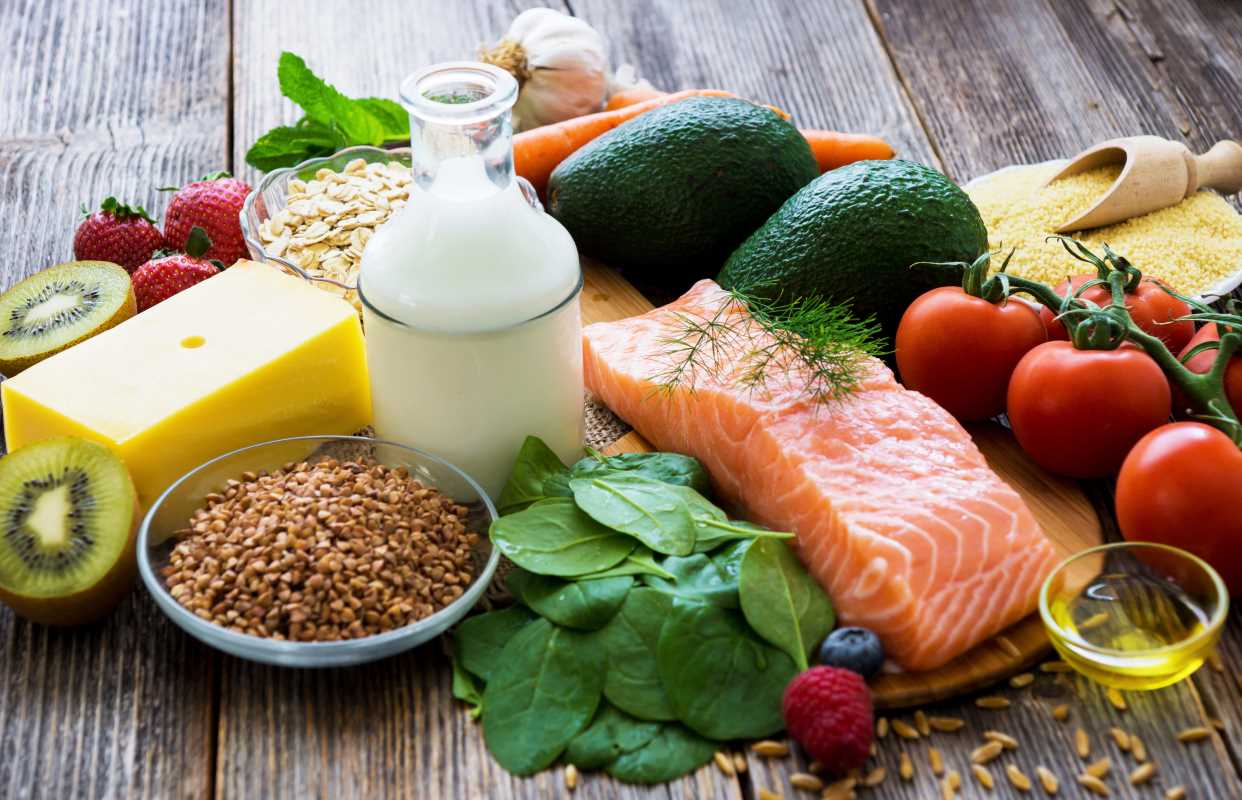
Instead of chasing the latest fasting trend, focus on the staples that actually move the needle. Potassium is a huge one. 2025 guidelines suggest that getting enough potassium from whole foods like bananas, spinach, and sweet potatoes can lower your systolic blood pressure by up to 10 mm Hg. It's about adding the good stuff, like fiber and antioxidants, just as much as it's about cutting back on the processed "dead" food.
The Hidden Weight of Chronic Stress and Sleep Deprivation
Have you ever noticed how your heart races when you're stressed? That's not just a feeling; it's a physical strain. When you're chronically stressed, your body is flooded with cortisol. Over time, this leads to systemic inflammation and keeps your blood pressure elevated. In 2025, the AHA even started a $15 million project to study how things like work stress and social isolation act as independent drivers of heart disease.
Even environmental factors you might not think about, like noise pollution, are now recognized as medical emergencies. If you live in a noisy city where the background decibels are constantly above 45 dB, your body stays in a state of low-level "fight or flight." This constant buzz increases your risk of hypertension and heart attacks because your heart never truly gets a chance to rest.
Sleep is the other pillar that often gets ignored. If you're getting less than seven hours of sleep, you're looking at a 16 to 22 percent higher risk of developing heart disease. But it's not just about the hours you're in bed. It's about restorative sleep. If you find it hard to fall asleep or you're waking up multiple times a week, your heart rate variability and blood pressure regulation get thrown out of whack.
- Stress Resilience Tools: Try awareness apps or even basic breathing exercises for five minutes a day to lower your baseline cortisol.
- Sleep Hygiene Overhaul: Keep your bedroom cool, dark, and quiet. If you live in a noisy area, use a white noise machine to mask environmental stressors.
- The 7-Hour Minimum: Prioritize sleep as much as you prioritize your work or your workout. It's the time when your heart actually repairs itself.
Re-evaluating Alcohol and Vaping
We need to have a serious talk about the "heart-healthy glass of wine" myth. For years, we were told that a bit of alcohol might be good for the heart. But the 2025 AHA Scientific Statement has cleared the air: less is better, and none is best. The World Health Organization now states there is no safe level of alcohol for cardiovascular health. Those "benefits" we used to hear about often disappear when you look at the bigger picture of a person's lifestyle. Alcohol can increase your risk of arrhythmias and high blood pressure, even in moderate amounts.
Then there's vaping. If you switched from cigarettes to e-cigarettes thinking it was a "safe" alternative, the data from 2024 and 2025 is a wake-up call. E-cigarette users are 19 percent more likely to develop heart failure. If you're a "dual user" who vapes and smokes, that risk of heart failure jumps by a staggering 59 percent.
Nicotine-based products, regardless of how they're delivered, cause immediate damage to the endothelium, which is the thin membrane lining your heart and blood vessels. When that lining is damaged, your vessels can't dilate properly, and your heart has to work much harder to pump blood. It's a cumulative strain that builds up every time you take a puff.
Taking Control of Your Cardiovascular Future
The most important thing to remember is that you aren't a victim of your genetics or your past habits. The shift toward "precision prevention" in 2026 means we have better tools than ever to catch issues before they become crises. You've probably heard of the CKM syndrome (Cardiovascular-Kidney-Metabolic syndrome). It sounds scary, but it's actually a helpful framework that recognizes how your heart, kidneys, and metabolism are all connected.
Knowing your numbers is the first step toward taking control. Don't wait for your annual physical to think about your blood pressure or cholesterol. Nearly 47 percent of adults now have high blood pressure, and many don't even know it. Use the new PREVENT or SCORE2 calculators with your doctor to see your 10-year and 30-year risk levels.
At the end of the day, it's about consistency over perfection. You don't have to be a marathon-running vegan who never touches a drop of alcohol to have a healthy heart. It's about the "movement snacks" you take during the day, the extra serving of greens you add to your dinner, and the focus on getting an extra hour of sleep. These small, incremental adjustments are exactly what protect your heart for the long haul. You're building a foundation, one choice at a time.
This article on cheremy.co is for informational and educational purposes only. Readers are encouraged to consult qualified professionals and verify details with official sources before making decisions. This content does not constitute professional advice.