Are you ready to swap the airport rush for a scenic, relaxing journey? A wonderful shift is happening in how we think about travel. More and more people are choosing the rhythm of the rails over the hassle of short-haul flights, and it is easy to see why! Rail-centric travel is making a major comeback, offering a smart, sustainable, and surprisingly convenient way to explore the world.
Let's dive into why trains are becoming the go-to choice for short-distance trips and explore the amazing rail networks that are ready to carry you on your next adventure.
The Growing Appeal of Train Travel
For years, a one-hour flight seemed like the fastest way to travel between nearby cities. But when you add up the time spent getting to the airport, going through security, waiting at the gate, and then commuting from your destination airport, that "short" flight becomes a half-day ordeal. Train travel offers a refreshing alternative.
Here’s why travelers are falling in love with the train again:
- City Center to City Center: Most train stations are located right in the heart of the city. You can step off the train and be just minutes away from your final destination, saving you time and money on expensive airport transfers.
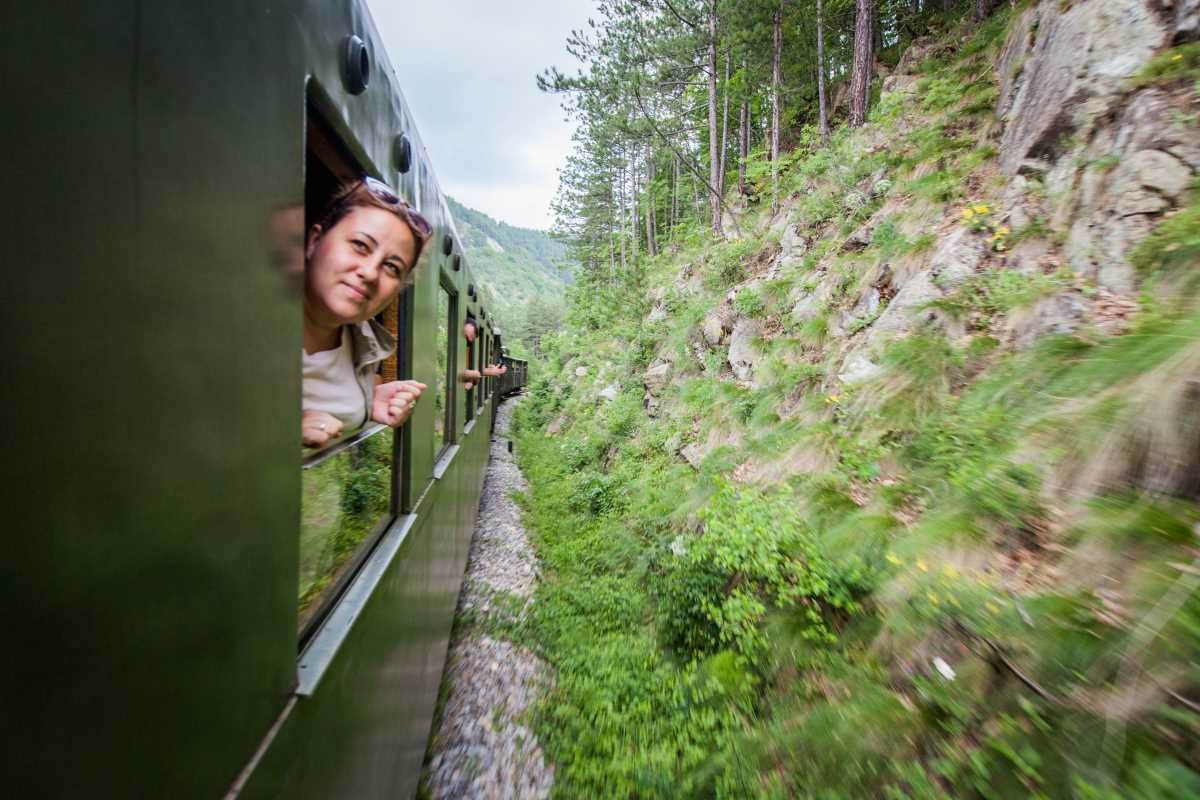
- A More Relaxing Experience: Imagine swapping long security lines for a simple boarding process. On a train, you can enjoy spacious seating, walk around freely, and watch beautiful landscapes roll by your window. It’s travel with the stress removed!
- Environmental Benefits: This is a big one! Trains produce significantly fewer carbon emissions per passenger than airplanes. Choosing the train is a simple and effective way to make your travel more sustainable and reduce your environmental footprint.
All Aboard! World-Class Rail Networks
The trend toward train travel is powered by incredible high-speed rail systems around the globe. These networks make zipping between cities faster and easier than ever before.
Europe's Connected Continent
Europe is the gold standard for rail travel. Its extensive and efficient network makes it possible to cross borders seamlessly.
- The Eurostar: You can have breakfast in London, hop on the Eurostar, and be in Paris or Brussels in time for a late lunch. It’s a perfect example of how high-speed rail connects major cultural hubs with incredible ease.
- Germany's ICE: Germany’s Intercity-Express (ICE) trains connect all major German cities, offering high speeds and exceptional comfort. It’s a fantastic way to explore the country without ever stepping foot in a car.
- Spain's AVE: Spain has invested heavily in its Alta Velocidad Española (AVE) network, which now boasts some of the fastest train lines in Europe, connecting cities like Madrid, Barcelona, and Seville.
Japan's Shinkansen: The Original Speed Pioneer
No discussion of high-speed rail is complete without mentioning Japan's Shinkansen, or "bullet train." Since the 1960s, the Shinkansen has been famous for its punctuality, speed, and safety. It connects nearly the entire country, allowing you to experience Tokyo's bustling energy and Kyoto's serene temples all in one trip. Riding the Shinkansen is an experience in itself!
Emerging Projects Around the World
The rail revolution isn't limited to Europe and Japan. Exciting new projects are underway elsewhere, promising to bring high-speed travel to more people.
- The United States: While the U.S. has traditionally favored cars and planes, things are starting to change. California is building a high-speed rail line to connect Los Angeles and San Francisco, and Brightline in Florida is already offering modern, fast service between Miami and Orlando. These projects signal a bright future for American rail.
- Other Regions: Countries across Asia and North Africa are also investing in high-speed rail, creating new corridors for trade, tourism, and convenient travel.
Making the Journey Part of the Destination
One of the best parts of train travel is that the journey itself becomes a memorable part of your trip. Instead of being disconnected from the world at 30,000 feet, you are immersed in it. You get to see the countryside change, pass through charming towns, and witness daily life unfold outside your window.
Trains provide a unique space to relax and recharge. You can use the time to read a book, catch up on work with onboard Wi-Fi, enjoy a meal in the dining car, or simply chat with fellow travelers. It transforms travel time from a stressful necessity into a pleasant and productive part of your vacation.
Challenges on the Track Ahead
Of course, building a world-class rail network is a major undertaking. The biggest hurdles are infrastructure and investment. Laying new high-speed tracks and modernizing existing lines requires significant funding and political commitment.
In regions where car and air travel are deeply ingrained, encouraging a cultural shift toward trains also takes time. However, as more people experience the convenience and comfort of modern rail, the demand for better and faster train service is growing louder.